

Experience it all

Crafted by hands that honor tradition, the clay pottery of Ranthambore, Rajasthan, reflects a timeless artistry that connects the past with the present.
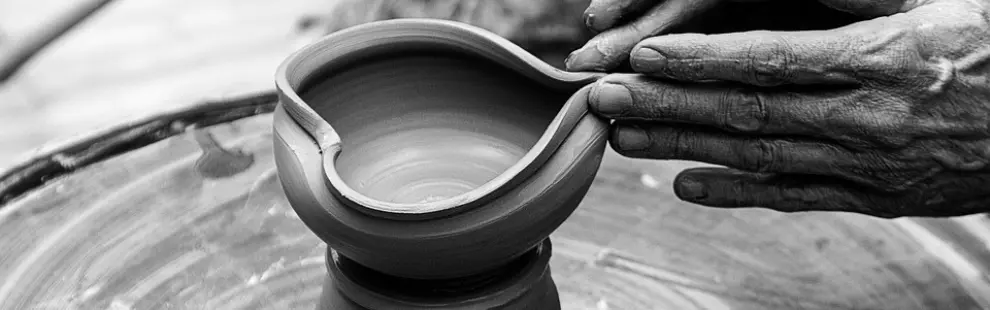
Clay Pottery of Ranthambore Rajasthan: A Timeless Tradition
Rajasthan, the vibrant land of kings, is renowned for its rich cultural heritage and diverse crafts. Among its many artistic expressions, clay pottery holds a special place, reflecting the region’s deep-rooted traditions and the skill of its artisans. This age-old craft is not just a means of livelihood but also a way to preserve cultural identity and connect generations.
The Art of Clay Pottery
In Rajasthan, pottery is more than mere craftsmanship; it is an art form that has been passed down through generations. The process begins with the selection of high-quality clay, often sourced from the nearby rivers. The artisan’s skill-fully knead the clay to achieve the perfect texture, ensuring that it can be molded into intricate shapes. Using traditional techniques, they shape the clay on potter’s wheels, creating a variety of items ranging from functional utensils to decorative pieces.
Unique Styles and Techniques
Rajasthani pottery is distinguished by its vibrant colors and complicated designs. The artisans often use natural pigments derived from local minerals and plants to decorate their creations. A popular style is blue pottery, known for its striking blue and white patterns, inspired by Persian art. This technique involves a unique glazing process that gives the pottery its characteristic shine and durability.
Another notable style is terracotta pottery, which is often adorned with engravings and paintings depicting local folklore, flora, and fauna. The colors used are earthy and natural, reflecting the desert landscape of Rajasthan. Each piece tells a story, capturing the essence of the region’s culture and traditions.
Cultural Significance
Clay pottery in Rajasthan is intertwined with local customs and celebrations. It plays a vital role in festivals, weddings, and daily life. Potters often create special items for rituals, showcasing their skills and creativity. The craft not only provides economic sustenance to many families but also strengthens community ties, as potters often work together in workshops, sharing techniques and stories.
Preserving the Tradition
Despite the advent of modern manufacturing, the demand for handcrafted pottery remains strong, driven by a growing appreciation for sustainable and artisanal products. Efforts are underway to preserve this ancient craft, with workshops and training programs aimed at revitalizing the skills of young artisans.
The clay pottery is a testament to the Rajasthan’s artistic spirit and cultural richness. Each piece reflects the love and dedication of the artisans, making it a cherished part of Rajasthan’s heritage. By embracing and supporting this timeless tradition, we can ensure that the legacy of Rajasthani pottery continues to thrive for generations to come.
More
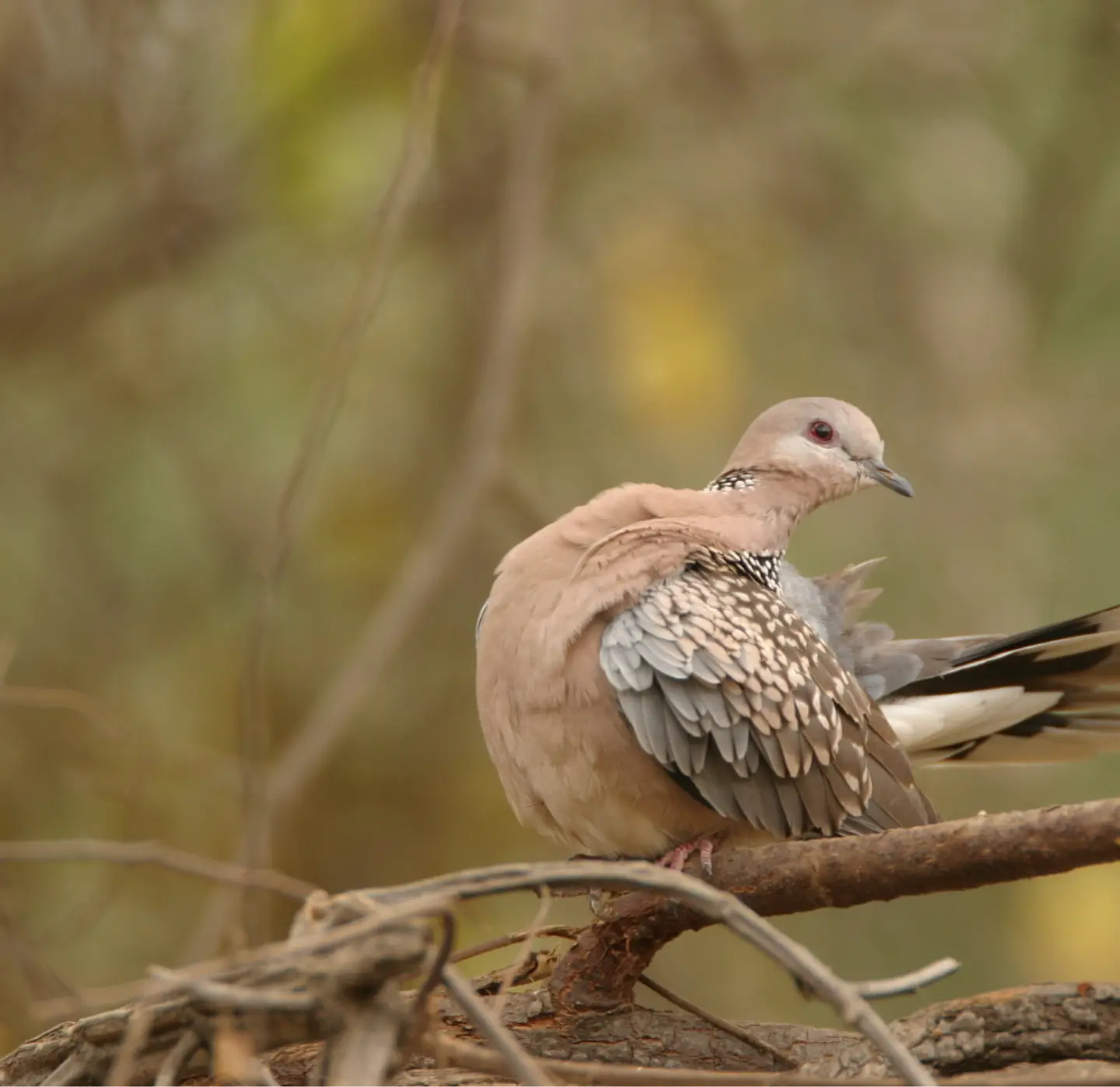
An Avian Wonderland
Surwal, a shallow seasonal lake, situated in the Ranthambore district of Sawai Madhopur, is set in a charming location amidst lush agricultural fields. It’s a paradise for bird watchers, especially between the months of November and March.
EXPLORE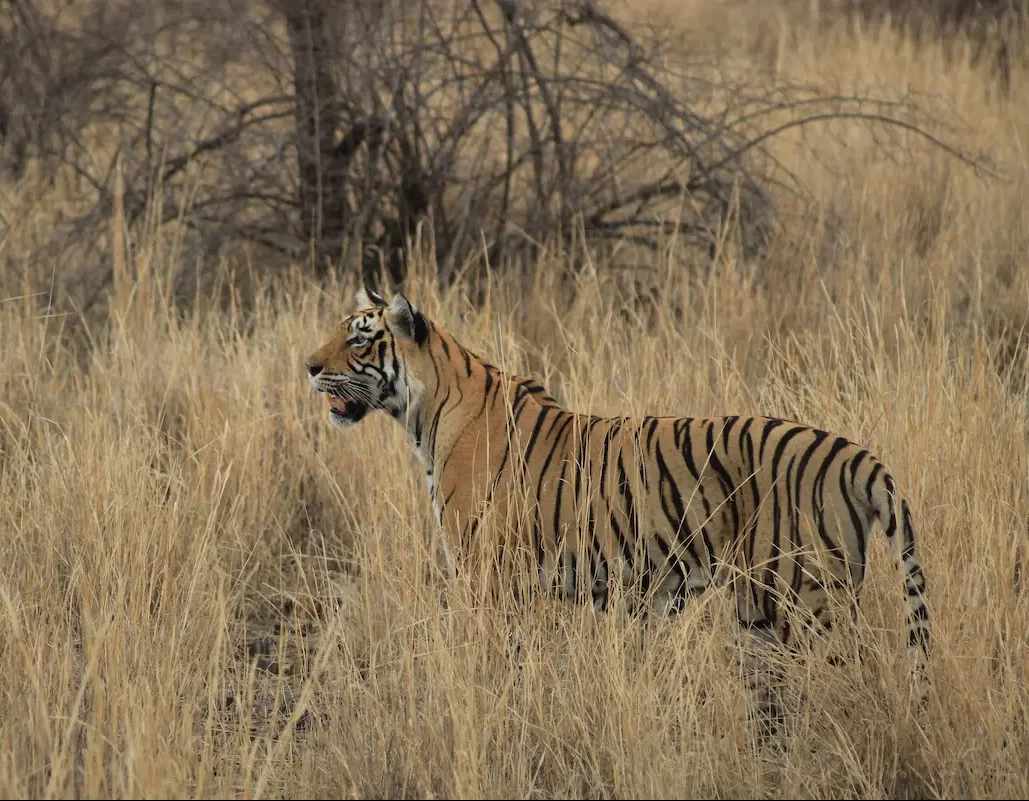
The Jungle Safari
Our experienced naturalists will help you explore the abundant wildlife that the Ranthambhore National Park, sprawled over an estimated area of 400 sq. kms, has to offer. Besides the magnificent Bengal Tiger, it is host to over 200 species of birds, both resident and migratory, leopards, jungle cats, striped hyenas, a variety of antelopes & deer, and other mammals.
EXPLORE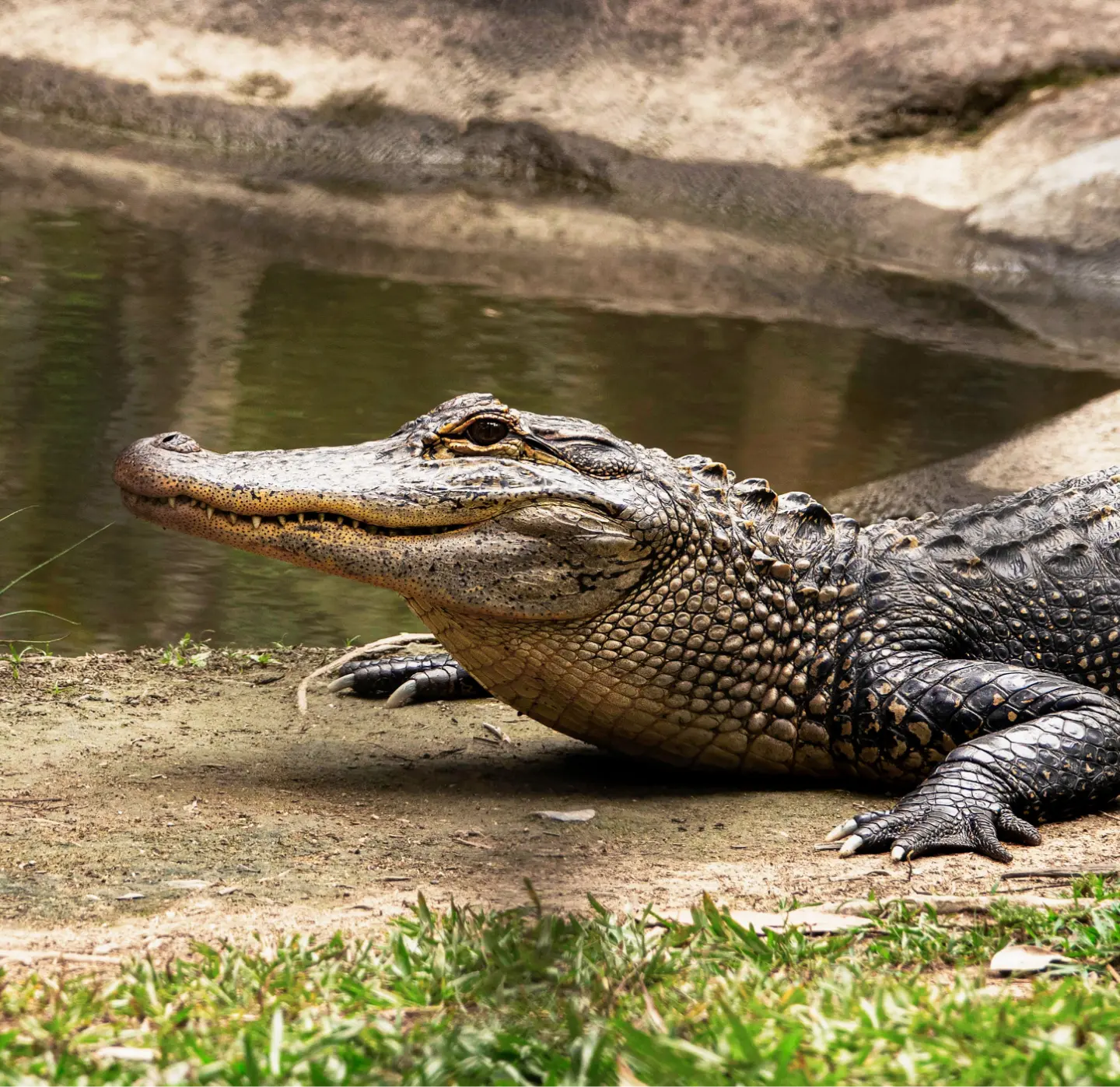
Chambal River for Gharial / Alligator
Marsh crocodiles and gharials (fish-eating crocodiles) sunbathe next to the shimmering waters of the Chambal River; a serene river that hides several secrets within its depths. Pali Ghat, the Crocodile park, a riverside sanctuary is an ideal place for bird watchers that is set amidst a backdrop of deep ravines.
EXPLORE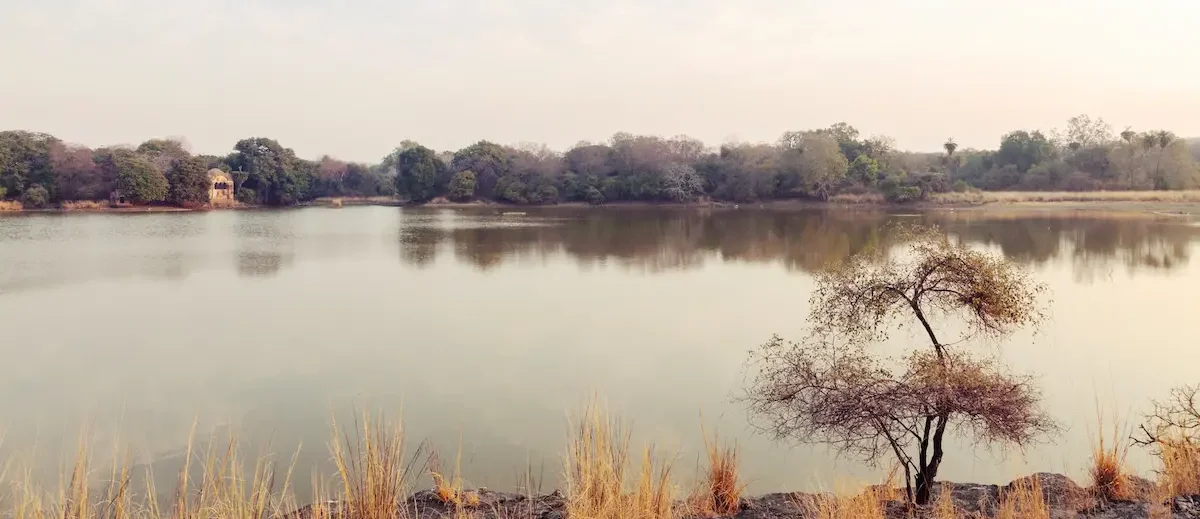
Visit to Ranthambore Fort
The Ranthambore fort, amongst its many wonders, recounts fascinating tales of the Maharajas of Jaipur, for whom hunting in the adjoining forests was a pleasurable sport. This former royal residence is now peppered with ruins frequented by the Bengal Tiger, providing an ideal backdrop for photographers looking to capture the splendor of this fort and its new royalty, the Tiger.
EXPLORE
Village Visit
The true essence of India is found within its several quaint villages. Take a tour of these rustic villages concealed amidst the Vindhya and the Aravalli ranges and unfold their simple yet alluring charms. Within the cheerful exteriors of these plain simple houses, lies the real India and its truest image.
EXPLORE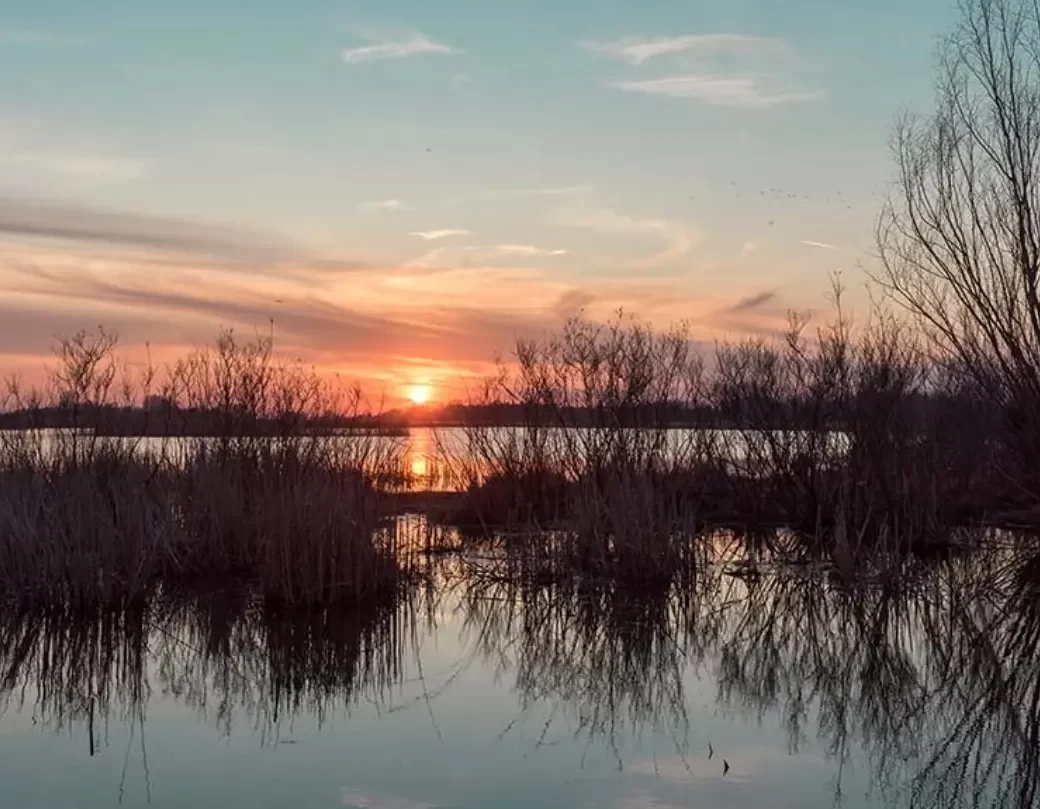
Trip to Mansarovar Dam
A formidable structure, the Mansarovar Dam is situated in the southwestern fringes of the Ranthambhore National Park, creating a walled boundary of the reserve. It is a perennial water source that attracts thousands of birds, both native and migratory, for better weather, food and breeding conditions.
EXPLORE